LATE LIFE MIGRATION, TIMELESS LOVE AND THE GIFT OF LAUGHTER
Is migration truly a pursuit for the young and restless? What happens when you have more years behind than ahead of you, and rather than watching life go by, comfortably sitting in your armchair, you decide to pack a suitcase and cross the ocean?
I sat down with Cathy for a heart-to-heart conversation about the brave move to Pamplona in her later years. Her life story and reflections on personal and cultural challenges, beautifully framed with sparkling humor and subtle irony, are a reminder that resilience has no expiration date.
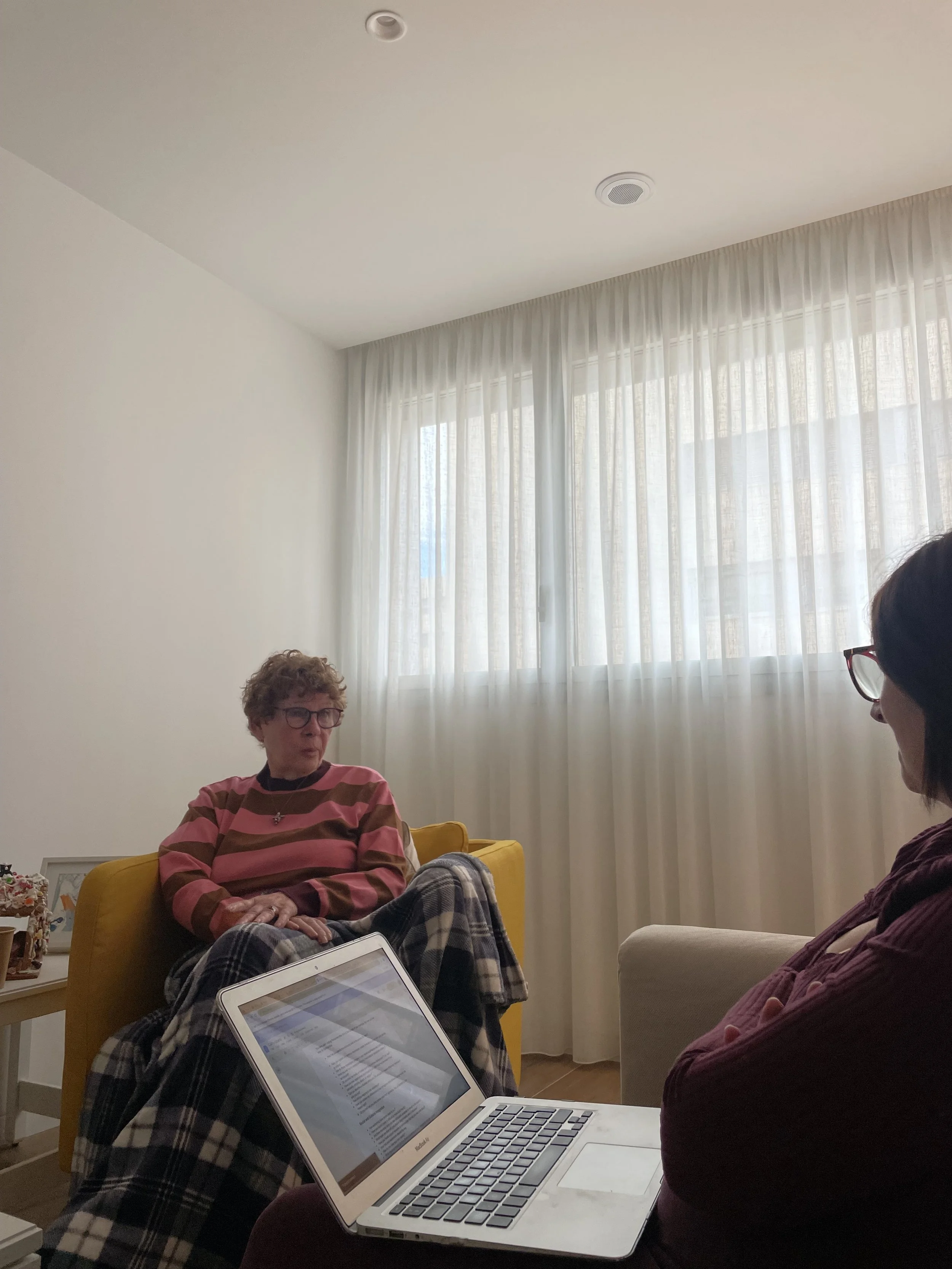
Cathy Ubeda welcomed us into her apartment in Pamplona with a display of Scottish shortbread biscuits and a takeaway coffee from the neighborhood cafe. As we made ourselves comfortable on the sofa, we quickly realised that we had to get the recording started, since Cathy was already cracking jokes and sharing anecdotes that we didn’t want to miss. So, after a few technical difficulties, we got the camera rolling and the interview started.
Okay, so you have a Spanish surname. Why?
Yes, I do. I married a Spaniard, Tony, many moons ago.
Tell us a little bit about your husband, how did you meet?
We met in what they used to call “up the dancing”, nowadays they call it a nightclub, in Toronto. I had just arrived in Canada three months earlier, from Scotland, at 20 years old. I had short curly hair at the time, all these guys were asking me to dance, and Tony had been watching me saying no to all of them. As he walked past, we looked at each other. At first he kept going, but then he came back and asked me for a dance. I agreed to it, and that was the beginning and the end.
So what made you say yes to him and no to the others?
He just looked nice, he had beautiful eyes and I thought, ”Yeah, you're worth the dance.” Usually at the end of the dance, you say thanks very much and you go sit down. But we didn't, we just stayed up. And that was it.
After we had finished at the nightclub, Tony asked if I wanted to go for a coffee, and I said okay. At one thirty in the morning we were still chatting, he had a really great sense of humour. And when I told him that it was late and I really had to go home, he offered to take me. My sister had warned me to never get in the car with anybody, and that if I needed a ride, she or her husband would come and get me. I tried to say no but he insisted it was too late to get a bus or the subway from the West End to the East End where I lived.
We walked around the corner and his car was sitting there, one of these old 65 Volkswagen. We got in the car and as we were driving down the highway, I saw the sign where we were supposed to turn off, and he missed it! In that instant I thought “Oh my God, my sister… She's going to kill me. Nevermind, this guy's going to kill me first!”. But as soon as he realized he had missed the turnoff, he said he would get down at the next ramp, thank goodness.
How long after that were you married?
A few months later. We started dating in August or September, and we saw each other every Saturday, Sunday and Wednesday, that was our dating regime. At the time you wouldn’t live together without being married, so at one point I asked Tony, “Aren’t you going to propose already?”
“You want to get married? When do you want to get married?”
“On May 29th” I replied, just saying the first date that came to mind.
“Okay then, May 29th it is,” he confirmed. “Do you want an engagement ring?”
“No, I want a wedding ring”.
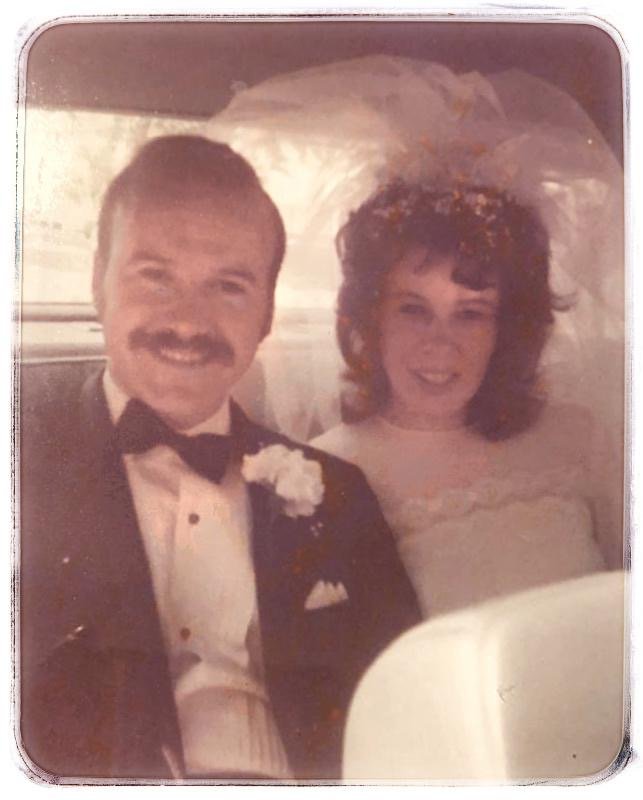
So your husband was from Pamplona, and passed away in Canada five years ago. Although Tony is not physically here anymore, you are living in the city where he grew up and where you have memories of spending time together on vacation. Has your perception of Pamplona changed since being here, compared to when you were just visiting?
I think that when you vacation in a place, it's totally different. The reality is every day you are here, a vacation is not reality. I find the people beautiful, they've really been nice to me. My neighbours always say, “If you need anything, let me know, just knock on the door”. I appreciate that. My Spanish is terrible, but they encourage me because I am trying.
But I do find it tough. It is difficult to make a connection with them, because people have their own groups and they tend to stay together. They're very family-oriented, so to get into that space, it's difficult. I think you have to be born and raised here, even Tony used to say that it was difficult if you were an outsider.
So let's rewind a second to the reason why you came here. You didn't move because you didn't want to live in Canada anymore, so why did you?
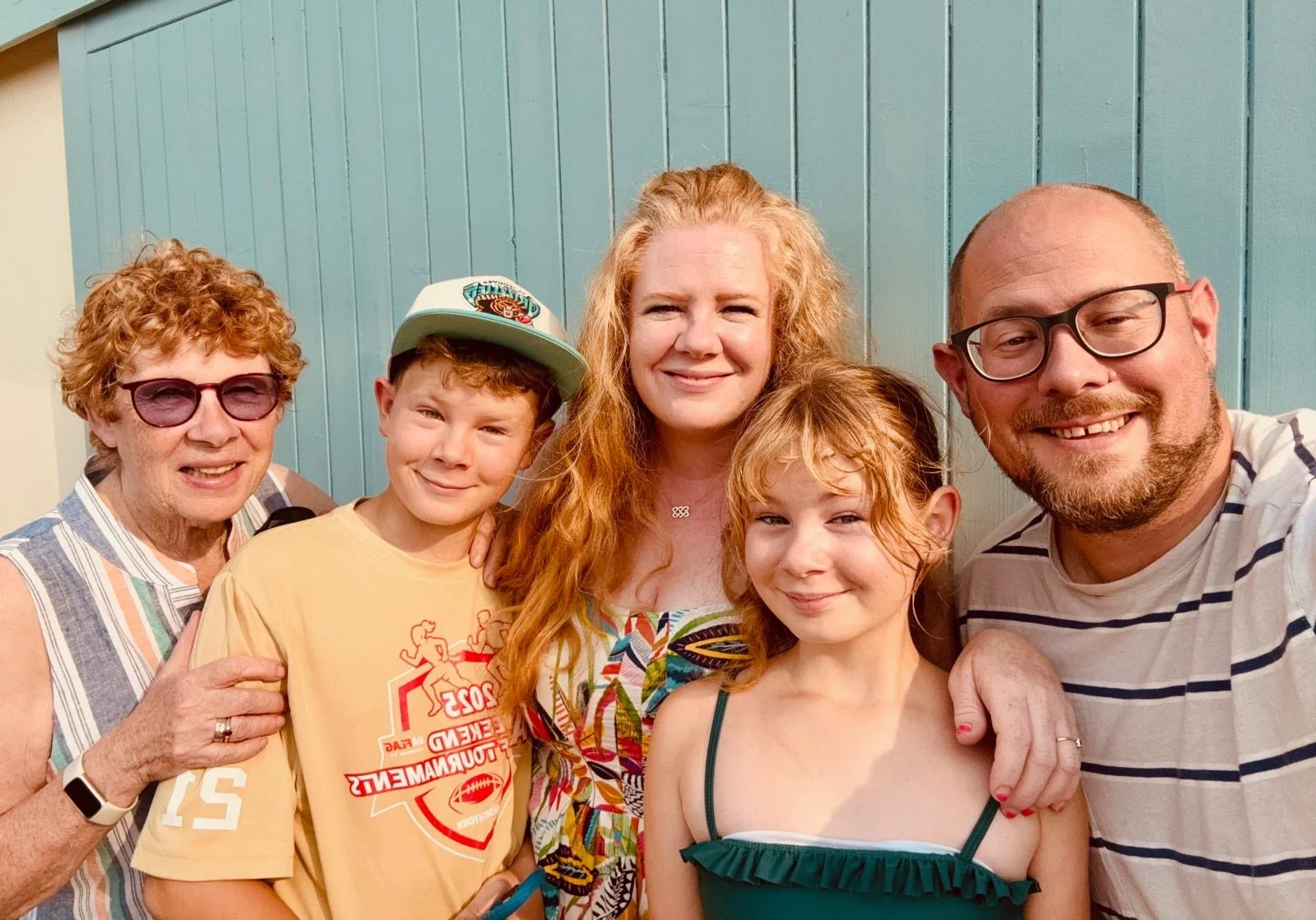
My daughter. She wanted to come for a year, for her kids to learn Spanish, in the place where their papa (grandpa) was from. And that's a beautiful thing. We were at the kitchen table one day, they had just come back from a long weekend away, and she said, “So Johan and I have come to a decision. We're going to move to Spain for a year.” “And what about me?” I asked. “Oh, you're coming as well, the whole family is coming.”
And I think that's probably one of the reasons why it's particularly challenging for you, because they are the ones who made a clear choice to move here, while you’re sort of tagging along. It's quite unusual to migrate at your age, and it comes with its unique challenges. It's actually very brave of you to do this…
It's hard. It is. Because I'm old and I don't speak the language. If I was younger, I would be in school or I'd be working, you make contacts in those kinds of places. I make my contacts in the elevator! I talk to people in elevators. I think I do it because I'm terrified of them, so I don't have to worry about the elevator getting stuck, I just focus on talking.
But would I do it again? Not at this age, I wouldn't. It's too much. The biggest concern I have is my health… Touch wood, I'm in pretty good shape right now. But if I get sick, how do I communicate? When I go to the doctor, how can I tell them how I feel? This is where the language issue comes in.
The kids, I call them the kids but I mean my daughter and her husband, are busy. They're working and making a living. So I just feel that maybe I should have been ten years younger. I'm going to be 76 in a couple of months, so I think it's a really big challenge.
What would your husband think or say to you now?
That I’m crazy. He would be thinking, “Oh my God, what is she doing now?” I think he would be happy that I'm here and mad that he isn't.
I was looking at your hands, and you mentioned earlier that you're still wearing your wedding band, and the rings from your 25th and 50th wedding anniversaries. Do you feel that being here does, in a way, give a sense of continuity to your story? Does Pamplona speak to you of him?
Yes, I think so. It probably sounds silly, but I think the connection is stronger here, I talk to him every day. Even though we lived in Canada for most of our lives, I feel him here more than any other place. You know, my blood is Scottish, that's never going to change because that's who I am. And my memories are in Canada, because I was there for 50 years. But Pamplona is where my heart is.
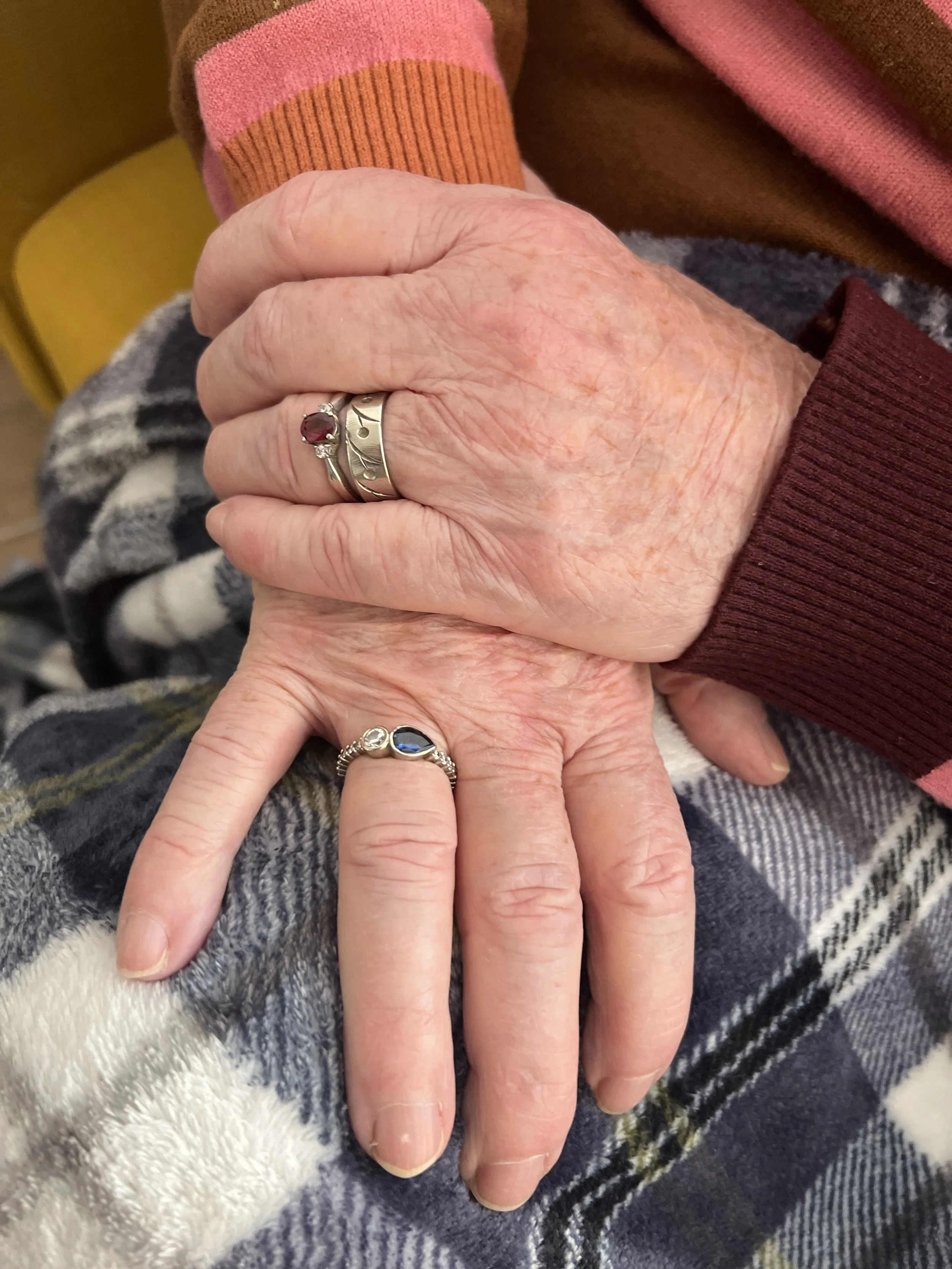
I see you have a blanket on your legs, a really nice one. What can you tell us about it?
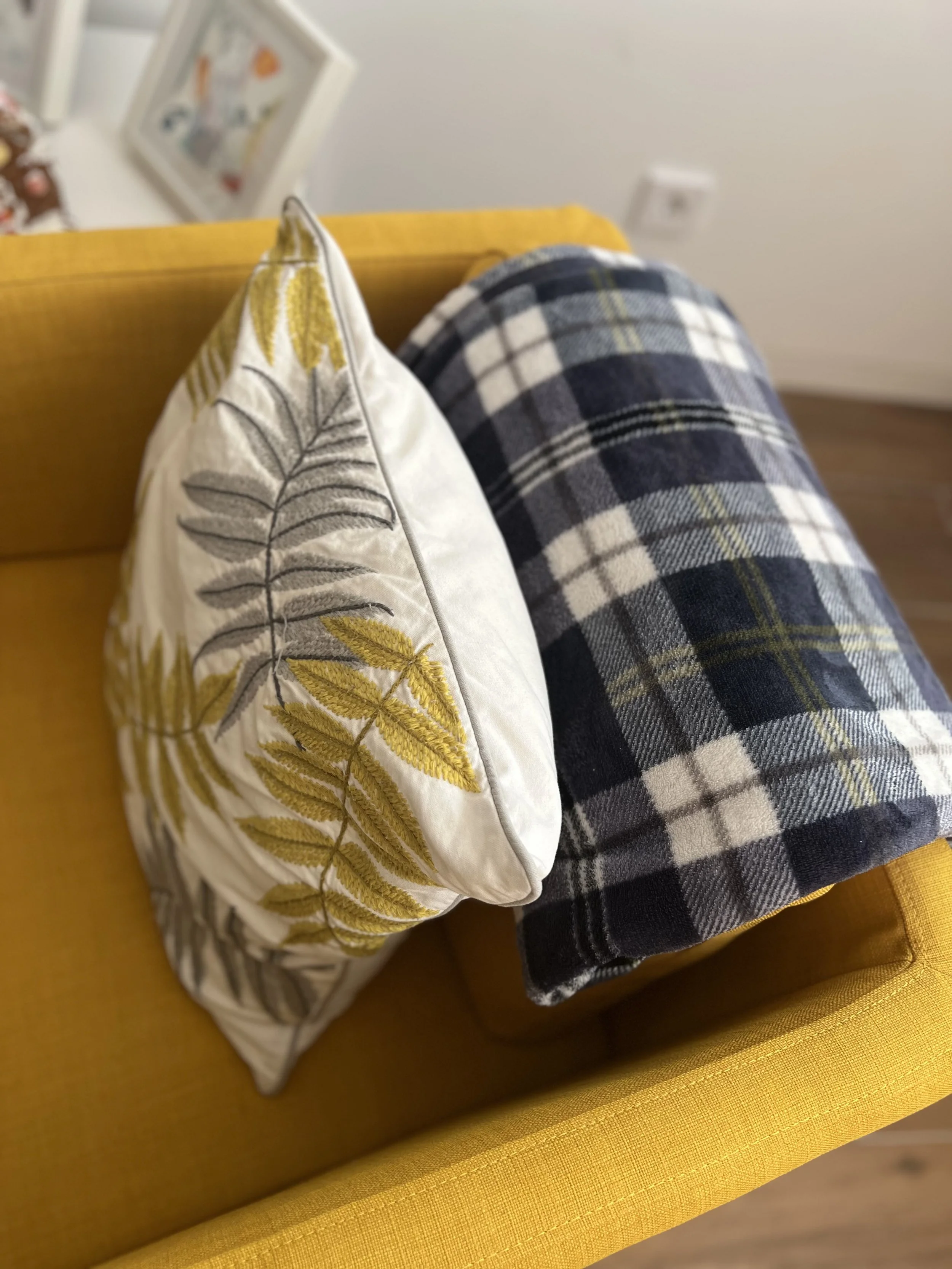
It belonged to my husband. We bought it when we had to put him in a care home, so that he’d have something to cuddle at night, or when he went for naps. He used it all the time, it was on his bed 24/7. He used it when he was in his walker and his wheelchair, and the grandkids now use it too. They snuggle up to it, and it's always here on the chair. They call it ‘papa's blanket’.
Did you bring many other things over from Canada?
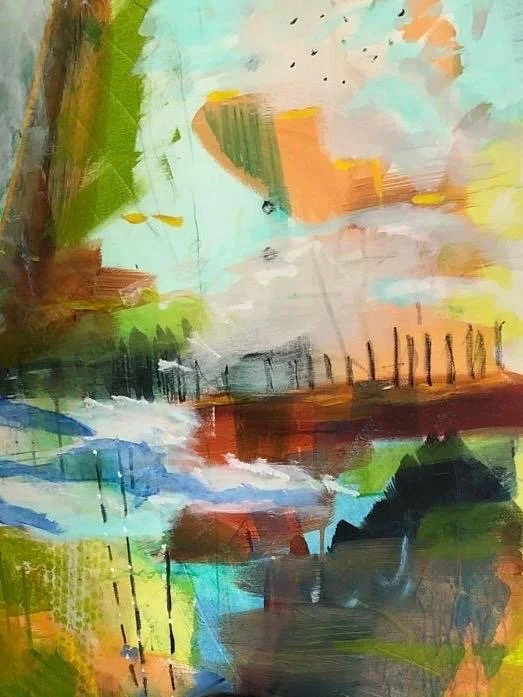
No, I'm a minimalist, I don't like a lot of stuff. But I do like my paintings on the walls and things like that. That’s the stuff I miss. I had a huge painting in my kitchen in Canada that my daughter made. She wanted to try a new medium, we do watercolours but she wanted to try oils. So she made this painting and I said to her, “What are you going to do with that? I’ll take it” She didn’t think much of it but I loved it. I love the colours, I love the concept of it because it was a picture within a picture within the picture. You look at it and you can see all kinds of different things in it. That was in my kitchen for many years. I miss that.
You say you feel your husband’s presence here. And your daughter, son-in-law and grandchildren are here. Then what is missing? What hurts?
I think the people, not having the comfort of the people. I don’t have anyone left in Scotland, nobody. But you never feel alone there. You never feel a stranger because I guess this is where the blood comes in, it's instinctive. They know you and you know them, you can be yourself. You don't have to put up this facade.
And did you have to do that in Canada? Put a facade up?
Yeah, I think so. I think you have to. At the beginning I needed a translator, because of my accent. I thought that people were being very polite. I was so happy. They kept saying ‘pardon’, even my husband used to say ‘pardon’ all the time. I thought to myself, ”Wow, this guy keeps saying pardon, how great!” Then I realized that my accent was so thick that they couldn’t understand what I was saying, no wonder they were all saying ‘pardon’!
And you have to watch what you say. In Scotland, you don't. You just say it. Nobody gets offended. And if they get offended, they say it back to you, we're very open in that respect. But in Canada you have to be a little bit more polite. When I first arrived, I used to take the bus to go to work. I started chatting with this woman at the bus stop and she kept moving further and further away. And I'm thinking, “What's the matter with this person?” I kept talking, and she kept moving away. When I got home I told my sister about it and she said, “You don't do that here. You just don't talk to people here.” Whereas in Scotland, people would ask, “What are you doing hen? How was your day at work?” And the conversation would just roll.
Let's talk about stereotypes. When you moved from Scotland to Canada, did you find that people had a set idea of what Scottish people would be like?
We had a fabulous reputation there, definitely a positive stereotype. Everybody loved us. They'd ask if I was Irish and when I’d reply that I was from Scotland, they would immediately tell me how much they loved the Scots, or that they had Scottish background. They have a very good bond with the Scottish people. And I am received the same way here, the Spaniards are very open to Canadians.
Do you think you are privileged in this sense, meaning coming from countries like Scotland and Canada?
I think so, I believe it makes a difference. I think I have the right accent. It's not right, but unfortunately that's probably true of anywhere you go. But they do know that I'm not from here, as soon as they look at me, they know.
And how do they know, by just looking at you?
By the way you dress. Here the women, they just look fabulous, so put together. With their makeup and their lipstick on, and their jewellery …Oh my God, I love their outfits. I'm so jealous of them, because in Canada you just wear jeans and a t-shirt or pants and sneakers. I am sure that when they look at me they must be thinking,“ What kind of foreigner is this?”
Can you tell me a bit about your day to day life here in Pamplona? Do you have a routine yet?
I take every day as it comes, some days are good, some are not. I used to always be a morning person. I would be up at seven o'clock in the morning, have my breakfast, go for my walks, play tennis and so on. Here I'm finding that I can't get my body out of bed before ten o'clock, it's disgusting. And because in Spain everything shuts for three hours in the middle of the day, I feel like my day has gone. So what do I do? I sit here for those three hours and after I think, do I really want to go out now? So I feel like I have to get more into control of my life, and participate more in things that happen in the morning. I would certainly like to do more, because you only have one round of this, so you might as well make it work.
If you had a magic wand and could instantly change something about your life here, what would it be?
I would like to be able to do more, because that would help me feel more grounded, more integrated and would make my life a little more purposeful. At my age, I think it's important to keep in shape, so I would like to do more sports, especially tennis. I played a lot of tennis in Canada, usually doubles because playing singles you have to run too much. I really miss my tennis.
And if I could, I would like to bring some of my friends here, so that I would feel more comfortable, not so lonely. My friends know me, we would go for coffee and a doughnut after playing tennis, not that it was very healthy, by the way. So I would like to have more people around me. It's not loneliness per se, it's just that I feel a little bit detached. That's a hard thing to put in a box, because I do like my time alone, I do. But I don't want to get to the point where I'm a recluse because I don't think that's healthy at this age, or at any age. That's why I don't have a coffee machine in my house, because if I want a coffee, I have to go out to get it.
If you were to close your eyes now and think, what does home mean to me? What are the first things that come to mind?
Family. And I am with my family, so home is here. Where they are, I'm there. You know Pamela, my daughter, she was reading me my horoscope for the year. It says that everything is going to change, that I am going to be more grounded this year. It also says that I am very family oriented, that I don’t go anywhere unless the family is there. And I told her, ”Oh, my God, I’m 75, I’ve got to get a life!” But it's true. I think that family is the heart of everything. Don't you think that this is why we exist?
But I also don't want to be reduced to only being a grandma or a mother, I want to have my life too. And that's the biggest challenge here, to have my own life. You tend to sort of put your life on hold because you feel a little bit uncomfortable putting yourself out there.
Let me just close by saying that I think you're really brave for what you’re doing, and you're doing it with your chin up, you're doing it through the challenges and the difficulties. You did the same many years ago when you moved from Scotland to Canada, except of course, you were younger, and you had all your life ahead of you, and you found love. So it may feel like it was easier, and maybe it was. But it does take time. It's a process and it doesn't happen in one day. It requires effort, which you are putting in by trying to connect with people and get into your sports. I don't think we ever fully integrate, there's always something that we leave behind. But leaving something behind also opens a little extra space to let something new in. So I think we need to try and focus on this.
So I have to keep doing my Duolingo then?
Yes, you have to do your Duolingo, play your tennis, and start your aqua-gym classes, go out to get your coffee and keep on talking to people in the elevator. And a few months down the track, all these bricks that you are laying will take shape. And it will be a new shape, you won't be the same person that you were in Canada, you will be something different, the new you.
I think so, I think that it takes time at any age. Time and effort. You have to put yourself out there, because nobody's going to come and knock on your door. You have to go out and make it happen.
And sometimes you have to get in someone's personal space a little bit, like you did in Canada...
Here you can do that a bit more, I do it here. I go to Taberna for coffee, and while I'm sitting there with my iPhone I start chatting to people, usually about the weather. And when they talk back I'll say, “Well, I don't understand a lot of what you're saying, but I'm glad you're speaking to me.”
That's the spirit. Uncomfortable or not, you do it. Well, thank you again Cathy for sharing so much of your life and personal insights. It's not always easy.
Thank you Bianca, thank you very much. And now you can erase everything!