YOU NEVER RETURN THE SAME PERSON:
A STORY OF LEAVING AND COMING HOME
This interview marks a new chapter in the series. While previous conversations have explored the experiences of people who built lives in Pamplona, away from their countries of origin, this is the first interview with someone who left Spain, lived abroad for many years, and ultimately chose to return. David shares how studying in Ireland and Scotland, living in England, and spending time in Italy broadened his understanding of identity, language, belonging and community. This story shows us an aspect of intercultural exchanges that is often overlooked: returning home can be just as transformative as leaving it.
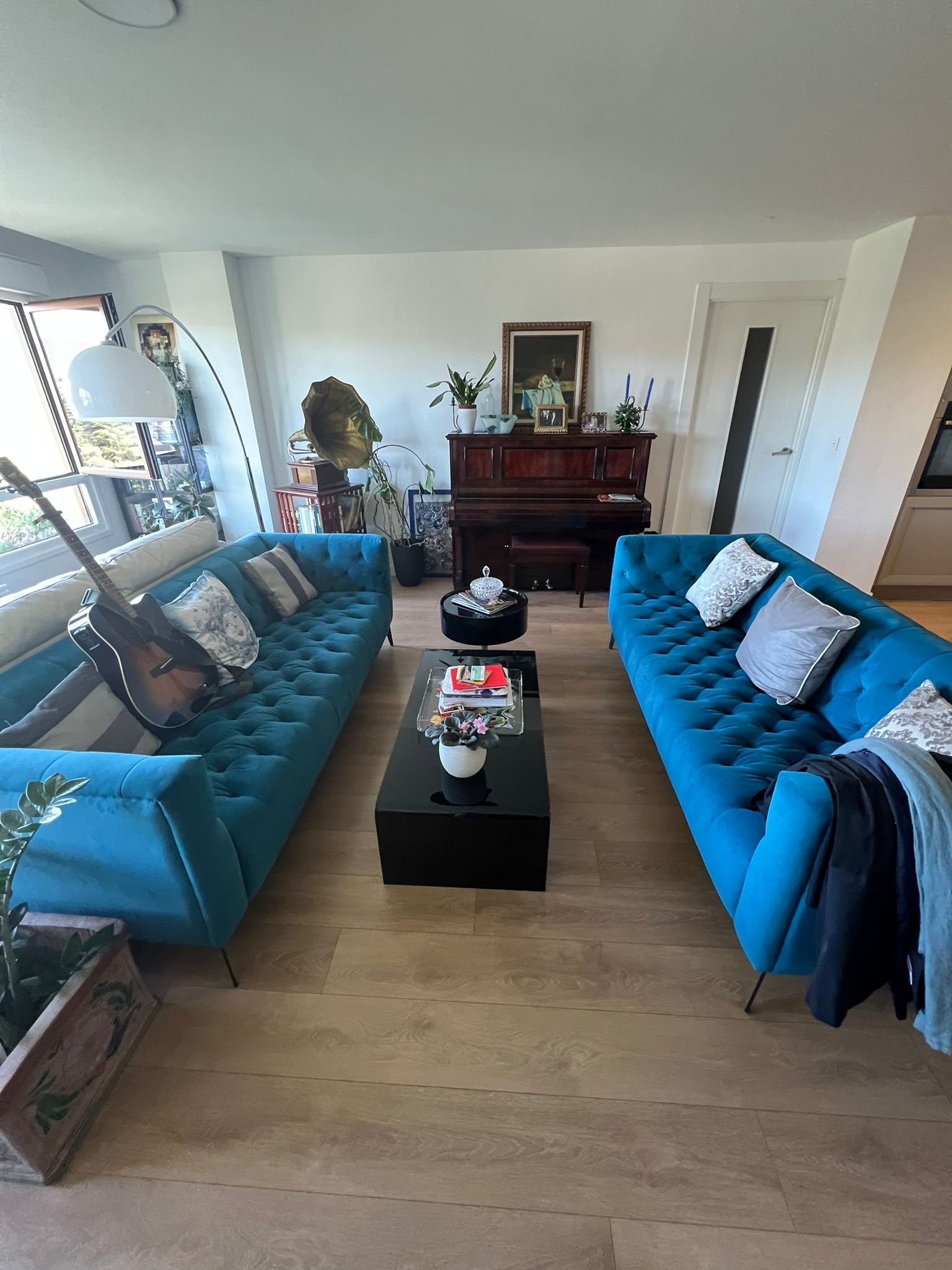
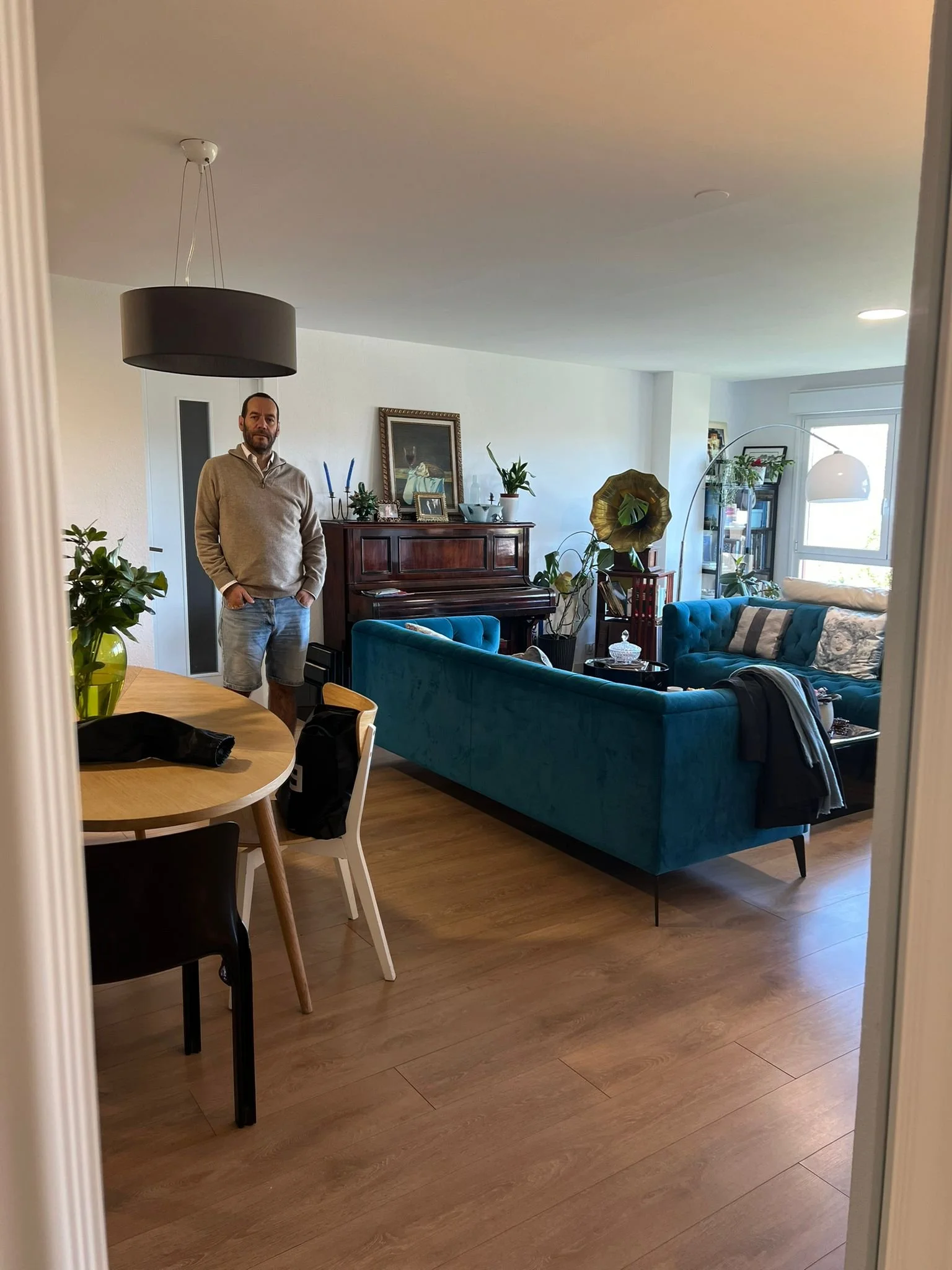
I met David at the family apartment he shares with his wife and children in Pamplona. A space that reflects all the different stages of their lives, with books in several languages, family photographs and objects that hint at the places they have lived and the people they have met, as well as David's passion for music. A cup of coffee was a must, and then we got started...
Hi David, thank you for having me here at your home. Before we get into your experiences, can you give me an idea of what your journey has been like, from being raised in Spain to living abroad and eventually coming back?
Yes absolutely. When I was 18 I had this dream of studying abroad. I wanted to see the world, and I had the feeling that everyone around me knew what they wanted to study, except me. I wanted to go to America, to San Francisco, and see what the story was there. And I did, but it was before the internet, so it wasn't as easy as it is nowadays, it was actually quite difficult.
What things were difficult?
Well firstly, finding a room was hard. Obviously when you’re 19, you're not used to looking for properties and I just assumed it'd be like it is here in Spain. You know, you buy a newspaper and look for an ad and it's easy peasy. But there it was different, you had to register with an agency and it was complicated. On top of that, living there was also very expensive. I had not anticipated how much money it would cost and because of that I ended up going to Ireland since it was more affordable.
So from the States directly to Ireland?
Yes, I went straight to Cork city because I had a friend living there. I started studying at university, Italian and Philosophy. And that's where I met...
Oh, I see that's where the Italian connection started…
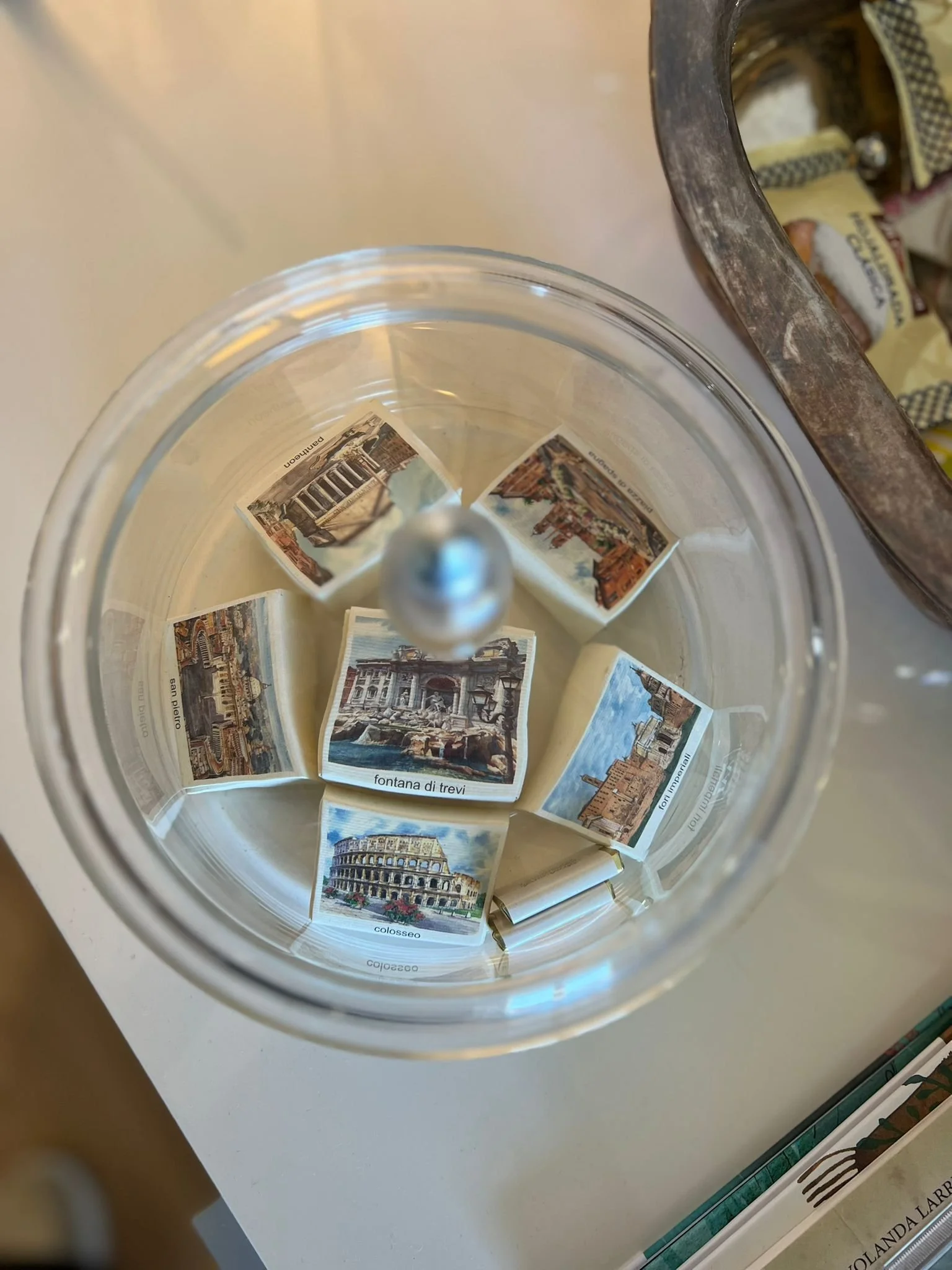
Exactly, that's where I met my wife. In 1998, she was a visiting student at UCC Cork, and I was a member of the International Student Society. I spent a lot of time with the international students, and that's how I met Tiziana, on a Friday night at one of the events we used to organise.
At the time, many of my friends were going abroad to study, and it seemed like an exciting opportunity. I thought it would be a great experience for me too, so I decided to move to Scotland.
I transferred to the University of Aberdeen, where I studied for five years. It was a fantastic university, and I really enjoyed my time there. During those years, I also spent a year in Bologna as part of the Erasmus programme. It was a wonderful experience, and living there allowed me to become fluent in Italian. After returning, I completed a postgraduate qualification in secondary education to become a teacher. I then worked as a secondary school teacher in England for a while.
By that stage though, I had gotten a bit tired of moving around. I reached a point where I had to make a decision about whether I wanted to stay in England and pursue a career, or come back to Spain and do something new.
So you decided to come back to Navarra. Where exactly are you from?
I was born here, in Pamplona.
But you didn't come back to Pamplona…
No, I didn't. I came back to Baztan, because my mother is Basque from there, so I returned to my family farm.
Why did you choose that instead of Pamplona?
That’s a good question, my mother always asks me the same thing. It might have been a bit of a misreading on my part. I was very happy living in the English countryside, so I thought living in the countryside here in Navarra would be quite similar. It was amazing, it's a beautiful place, but it's not like the English countryside.
Tell me, what aspects of the English countryside were appealing to you? And how did that differ from the Spanish countryside?
In England, it doesn't matter how small a village might be, you will always find international people. That was something that I have always loved about the UK and Ireland, you’ll always meet people from Italy or France or Australia or America or China. And together with a very quiet life, it was very laid back and relaxing.
When we moved to Baztan, we met some friends, but quickly realised that there was no international atmosphere at all. That was fine for a while, I have very fond memories of Baztan. We had two kids and they learned to speak Basque there. But after a few years, I was really missing that kind of diverse community, if you know what I mean.
Do you also think that there was an expectation from the local people that you would just fit back in automatically? Did you feel understood when you talked about things like this?
Most of the people probably didn’t understand. Because my mother is from there, it was kind of natural to choose to go back there. And I suppose they thought I was a bit strange, you know, after all those years travelling, studying and working in different places, to come back. But I don't know…People in Baztan are very proud, and despite having studied, a lot of them choose to neglect their careers and do something else so that they can stay in Elizondo, because they love being there. Or they commute long hours every day in order to live there. So I guess it kind of made sense to them that I would go there, because it's fantastic, it's a beautiful place.
There is also a little bit of a myth that identity is something fixed. For people who have not moved around, their identity coincides with the geographical place, the people they know and the language they speak. When you go abroad, you actually expand and become something hybrid, right? So fitting back in can be challenging, even when you return to an amazing place.
Absolutely.
And it's something that you and others who have experienced similar lives can understand, but it can be difficult to get this feeling across to people who haven’t experienced it themselves. What values or aspects of your personality have changed over time? Would you say you’re not the same person as before?
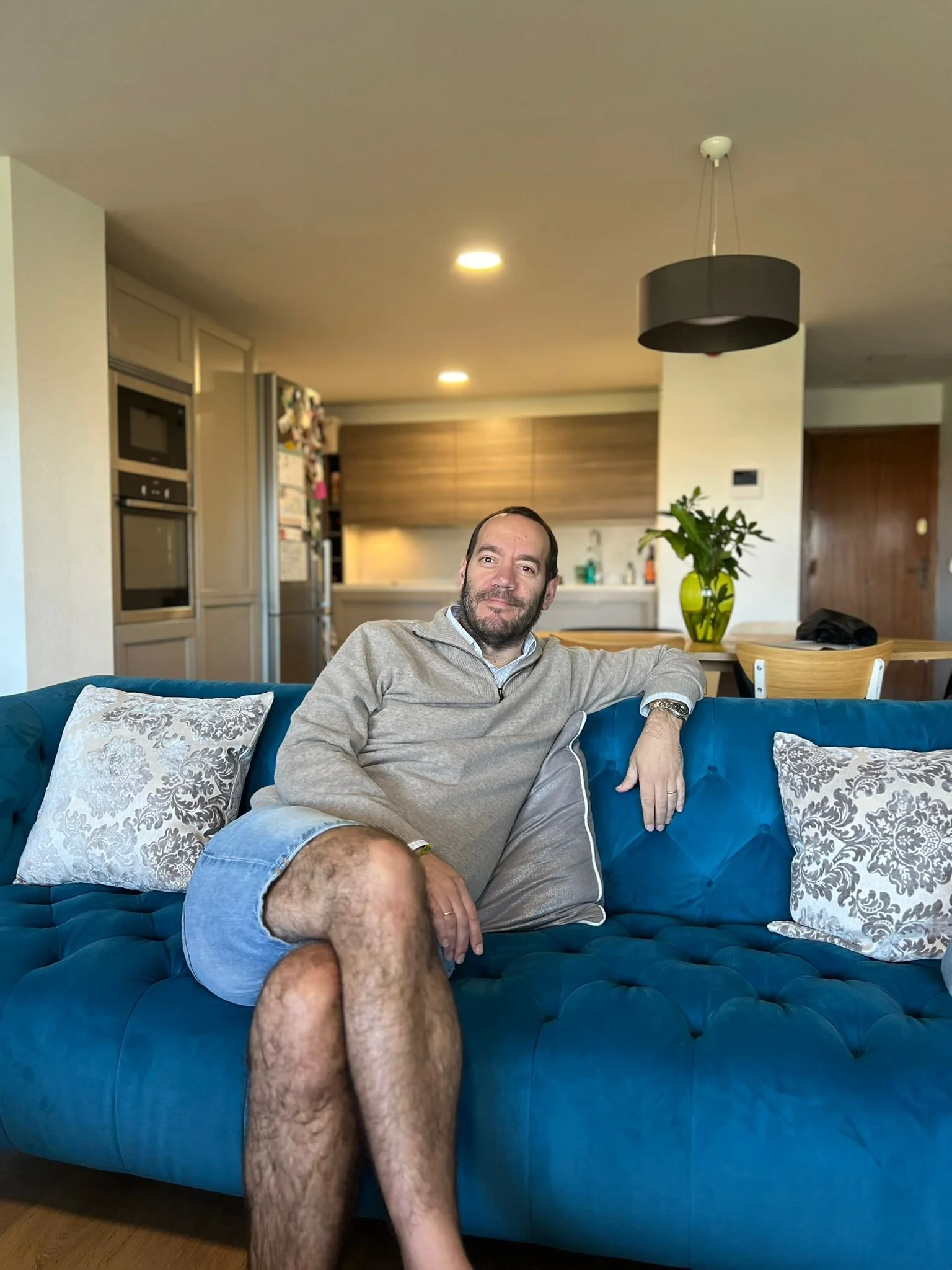
I realised I wasn't the same person anymore the first year after I came back to visit my family. Whenever I met up with my friends, it felt like nothing really had happened for them, for their lives here, while I had so many things going on in my head, so many things that had happened over those years. One big thing I noticed was a difference in political correctness. Living in the UK, I learned that there are certain things you can’t say. When I came back here, I was shocked at how people would refer to others from different countries, calling them names. I found it outrageous, but to them it was normal.
And would you say it was normal to you before you left?
Before I left, Pamplona was a very different place. My dad was from Cuba and he was seen as some kind of an exotic thing at the time. It's a small provincial city. Many people come from different villages around the area, and I guess immigration took them by surprise. So I suppose they were not ready for it, I don't know. But now there are thousands of people from Cuba and other Latin American countries here. So it was different at that time but I would never have called anybody from anywhere names.
And how did they show their lack of readiness?
By the words they used to refer to other people coming from different countries, by their comments and the way they see them. People seemed to be reacting to immigration, rather than understanding it. Because we need immigration, obviously.
That was a few years ago now. Do you think today things have changed?
I think today things are getting better in some aspects such as integration, but polarisation still exists in people’s minds. You’re either Basque or Spanish, left or right-winged, local or foreign. There's nothing in between. There's this Pamplona de toda la vida comment that I’ve heard so many times. It’s as if somebody says that, I'm Pamplona de toda la vida, because you might not be. It’s like emphasizing the difference in a way. So I don't like it when I hear it. People might not use it to intentionally alienate others, but I don't like it.
What we gain by moving around is the ability to see things from a different perspective. I don't know if this has happened to you, but for many people it also changes their relationship with their own country. So do you think that looking at Spain from the outside has somehow highlighted things that you couldn't see before, whether positive or negative?
I cannot really speak about the whole country, but in regards to Pamplona, I didn't know what standards of living were like before leaving and then comparing them to San Francisco or to Cork, or even Manchester, or Aberdeen, I realised that this is a really good city to live in, that standards of living are amazing, that it's clean and criminality is really low, so yes, it has definitely changed how I view Pamplona.
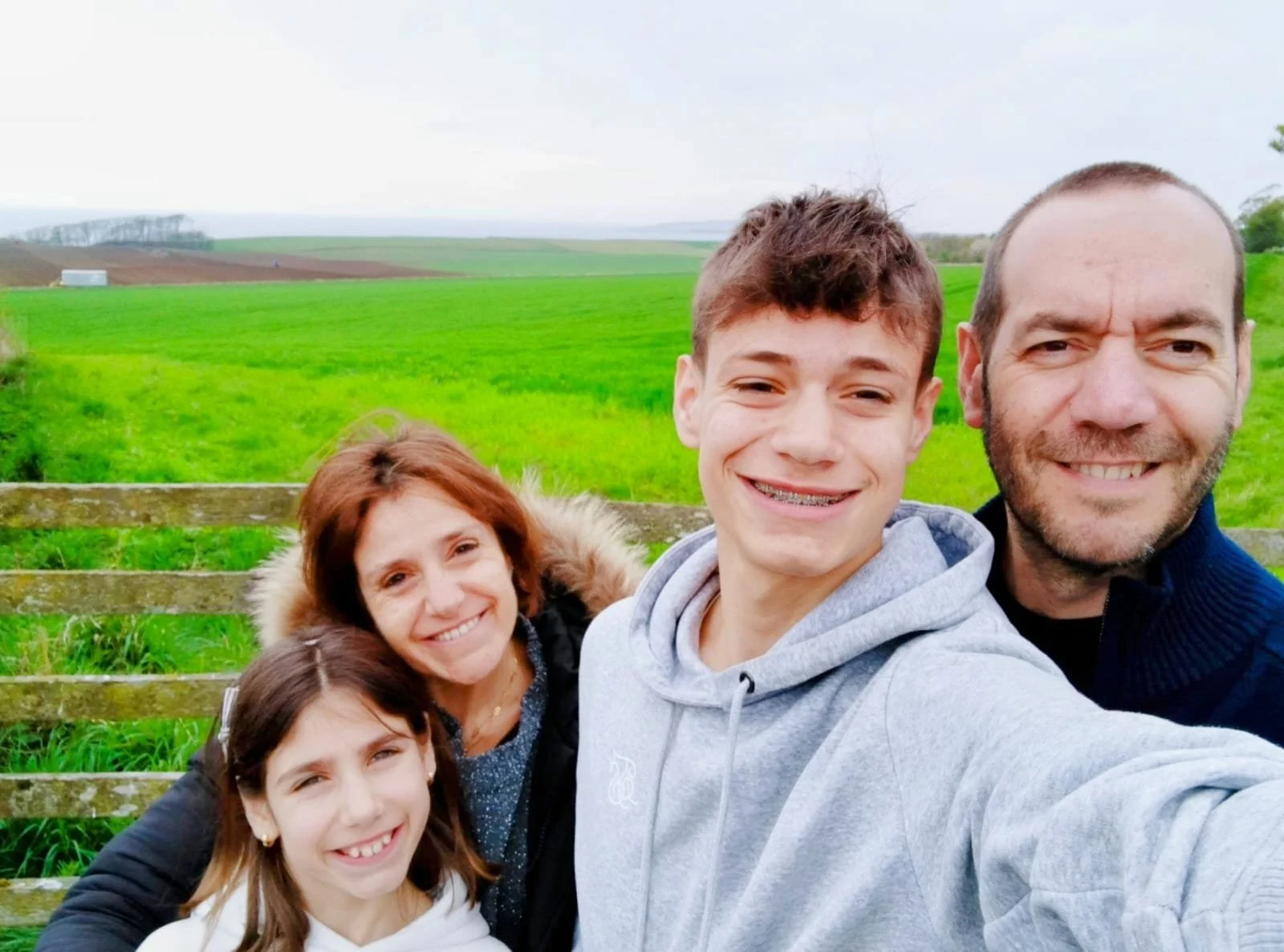
So, now you're raising two children in Pamplona, with your wife, who is Italian. How has your wife adapted to life in the Basque country and Pamplona?
I think my wife had it very hard. She moved into the valley of Baztan, where people are very reserved. They do not really speak with you unless it's absolutely necessary, which would be a life or death situation, or unless they know that you're somebody's husband. It was hard for her, and for me too, because we were used to having people over all the time. Friends walking by would just ring the doorbell and drop in, or ask if you fancied having a pint or a cup of tea. That never happened in Baztan. Even with good friends, they would never call in to see if we were home or not...
Did she feel isolated?
Yes, and she got to a point where she said, “We have to go somewhere else”. She was grateful as well, because Baztan is an amazing place to raise kids up to a certain point. At first, we bought this place in Pamplona and used to come for the weekends. Whenever we came here, she was over the moon, she was really happy. Meeting the people from the Italian Association, her students, having a few drinks… her social life opened up a lot.
We’ve also met Italians that are miserable, because they compare life here to their Italian lives, or whatever other experiences they might have had…In Pamplona perhaps there's not as much cultural activity or openness as there is in Bologna or Rome. But if you come from Elizondo, this is heaven.
So how do you and your wife maintain this mix of Spanish and Italian cultures, while also speaking English with your children? Is it a conscious choice? Are there things about your daily life that you do specifically in one language or another?
My wife and I are both English teachers, so we speak in English all the time. When we had Matias, our oldest son, we thought it would be great to give him that, in many ways it’s a gift to be able to learn English growing up.
I did a bit of reading on language acquisition, and together with Tiziana, we agreed that each of us would speak one language at home: I only speak English, and Tiziana only speaks Italian. That way they would learn those languages that they otherwise wouldn’t be very exposed to. My mother always spoke Basque to them, and they also learned it at school. And as for Spanish, everybody else around them speaks it and my dad spoke Spanish to them. So we had that balance, and it worked very well.
Around the time my son was 15 or so, he questioned a bit why he was speaking English in a non-English speaking context, I suppose it was linked to his sense of identity. But I know he knows why now. Whenever we go to the UK, he has no problems communicating.
You are both English teachers, and have a school called EnglishYa. Language is one of my points of interest, so I’m curious… Do you think it's possible to truly understand a culture without learning its language? Or the other way around?
Language is a key to a culture, definitely. In order to understand a different culture, you need to also understand the language. English is a globalised language that gives you access to a globalised culture, whether you like it or not. You might be Italian, German or Spanish, but you're exposed to American culture, to Anglo-Saxon culture all the time through movies, music, popular culture, and so on, which doesn’t happen with other languages.
Are you able to transmit that feeling to your students of English? While teaching them, do you think that they get to the point where they realise that speaking the different language gives them, or could potentially give them, a broader perspective?
Well, it depends on the profile of the student. Some people just want a piece of paper, a certificate to access a job. Some come just to have fun and socialise, others to really learn. If the students are open minded and willing to travel then yes, they might see a benefit beyond learning the grammar. But most of them come for the language, not the culture… so perhaps we need to change that.
I always thought, for example, that Business English should always be taught side by side with intercultural training, because intercultural communication is not just about the ability of speaking correctly. That ability, by itself, is not going to enable you to work efficiently in a multicultural team or abroad…
And that brings me to my question about stereotypes. Do you think there are certain stereotypes or misunderstandings that your Spanish students have towards the English speaking world?
I think that 90% of my adult students think that English-speaking natives don't make the effort to understand what you're saying. I don't think that is the case, because in English a slight change in pronunciation can change the whole meaning of a word. So I try to explain that, for example, sheep and ship are not the same, and I give them examples of what they think they are saying versus what they are actually saying.
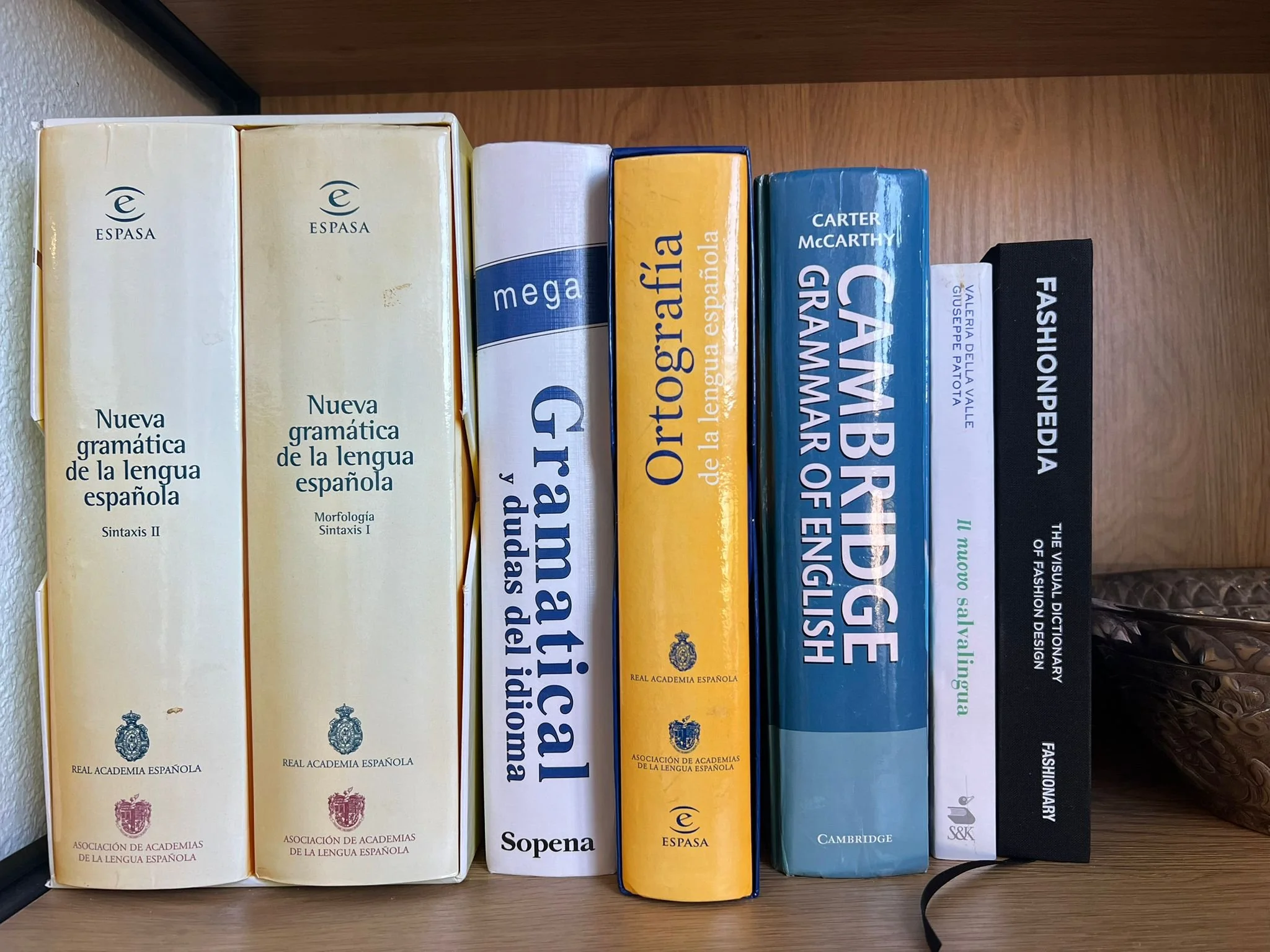
How do you explain to your students that learning the language is not just about grammar rules, but also something that can end up really shifting the way you see other cultures?
We give them the tools, but unless they are willing to go away and experience it for themselves, you can’t force them. I always try to encourage my students to go to London, Scotland or Australia, and meet people.
Okay so here comes the unavoidable question… Does Pamplona, or Navarra, feel like home to you in the same way it did before you left?
This is also funny. Before leaving, as a teenager, I think I was quite confused, but when I returned, I came back to a city that I like a lot. I think it's been voted one of the best cities in Spain, and for good reason. It's very comfortable, it feels good to be here, for the time being. When I used to live here with my mum, to me Pamplona was just my city, but when I came back, I realised that Pamplona is like a village. So sometimes I do think it's a little too provincial for me, but it doesn't matter because I've got kids, they go to school here and they’re happy. But I don't know what will happen in 10 years time. I don't know if we will eventually move away, or if we will be content here as long as we are able to travel. I don't know. As for home, I feel very much at home in southern Italy as well when we go on holiday every year. It's a holiday so it's not real life, but whenever I get there I feel like I'm at home.
Would you say that home is also something to do with memories you make with people around you?
Absolutely, because if I lived here and I didn't know anybody, I would be unhappy. I love my job also because I make friends through it, and if I didn't have all that, I don't think I'd be here.
Can you pinpoint the exact moment when home stopped being just a geographical location for you, and became something connected to people. Was there a turning point?
I can’t pinpoint when exactly, but I remember having this conversation with my wife several times. When we still lived in the countryside, and would come to the city on the weekends, I remember telling her that I couldn’t identify myself with the people here, and that was such a strange feeling for me. Or whenever we came back from Italy, it was always a bit of a shock to my system. We've had these kinds of conversations many times.
So would it be fair to say that your identity has expanded over time? That it has become more complex that in some ways clashes with your previous self?
Yeah, my identity certainly has changed. I was born here and I grew up here and in that aspect, nothing has changed. But I have a lot more in terms of experiences from my time living in different countries, and I feel that I’ve absorbed a lot more than just a different language. I also think that another sort of expansion is because my other half is Italian. Although I'm not Italian, I now have an understanding about Italian culture that I didn’t have before.
So many people are hesitant to step out of their cultural comfort zones, or just aren’t interested. What would you say to help them understand that embracing intercultural experiences, although challenging at times, is enriching in so many ways?
I would tell them that you always gain something from a new experience, so it’s obviously worth a try. By meeting a variety of people you get to understand that your point of view, your centre of the world, your understanding of society, is not the only thing that exists. And this is very important, because when it comes to analysing problems, or to anything really, you now take more than just your own experience into account. You learn lots of things, it really opens your mind. And that's what I hope for my kids; that when they get older, they realise that all the languages, and travels, and experiences they had helped them see the world in a different way.
Well, that was my last question: do you see that happening in your children? And you have already answered it.
Is there anything else that you would like to add?
I'd like to add that raising bilingual kids, or trilingual, or polyglots in general, is difficult, and requires a lot of discipline. It can be hard to switch languages all the time, and you have to repress, for example, the word for sofa in three other languages, in order to find the one that belongs to the language you are speaking at that moment… But it will pay off. When you see the way they are able to communicate, it’s such a proud moment. They realise that speaking four languages is quite unusual, but everybody reminds them how lucky they are, so they have an appreciation for it.
Well, thank you. It’s been really interesting to hear a Spaniard’s perspective on living abroad and the decision to come back home, as well as how you’re intentionally incorporating your experiences abroad in how you raise your children.